
Understanding Sports Broadcasting
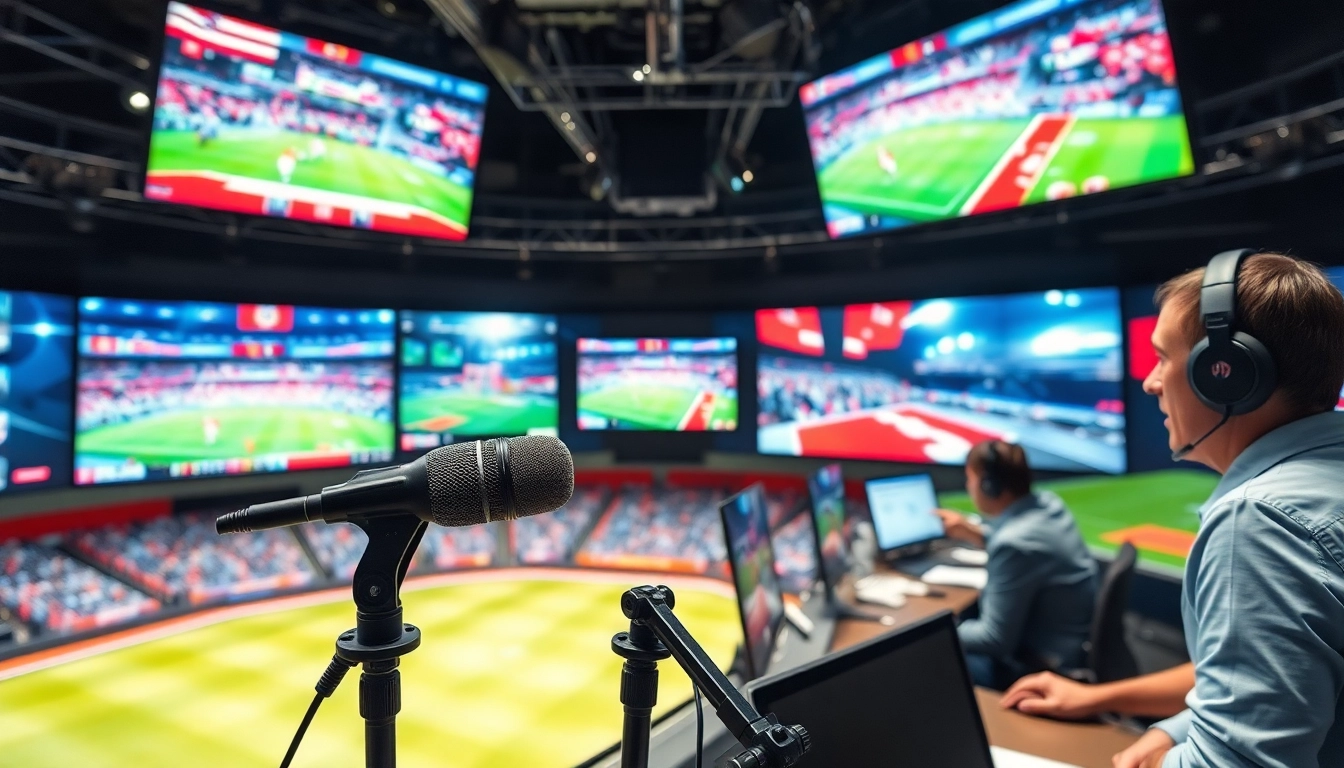
Sports broadcasting has come a long way since its inception, leveraging advancements in technology and evolving audience expectations. It encompasses the live transmission of sports events over various media platforms, providing commentary, analysis, and interactive content to engage fans. Sports Broadcasting is not just about airing games; it’s a complex interplay of multiple components designed to enhance viewer experience while delivering content effectively.
History and Evolution of Sports Broadcasting
The beginning of sports broadcasting dates back to the early 20th century when radio broadcasts began to air major sporting events. The first-ever sport broadcast took place in 1921 when a boxing match was broadcast by KDKA in Pittsburgh. This marked the starting line for what would become an expansive industry. As technology advanced, television took over in the 1950s, bringing sports into living rooms across the globe, revolutionizing how fans engaged with their favorite sports.
With the arrival of cable television in the 1970s and 80s, niche sports channels emerged, catering to specific audiences. The introduction of satellite broadcasting further expanded access, allowing fans worldwide to tune in to their favorite events live. The evolution continued into the 21st century with the advent of digital platforms and streaming services, which now dominate the broadcast landscape. These changes have massively altered not only the way sports are consumed but also how they are marketed and monetized.
Key Players in the Sports Broadcasting Industry
The sports broadcasting landscape consists of various key players including networks, leagues, and production companies. Major networks provide the platforms necessary for broadcasting while working with sports leagues to secure broadcasting rights. These relationships are crucial for the distribution of live events. Each player has a vital role:
- Networks: They are responsible for broadcasting games, providing analyses and creating hype around events. Examples include ESPN, Fox Sports, and NBC Sports.
- Leagues: Organizations like the NFL, MLB, and NBA negotiate contracts with networks to ensure their events are aired, maximizing visibility and revenue.
- Production Companies: Specialized teams manage the technical aspects, from camera angles to set design, ensuring a quality experience for viewers.
The Influence of Technology on Sports Broadcasting
Technology has dramatically shifted the sports broadcasting industry, enhancing viewer engagement through improved visuals, interactive capabilities, and personalized experiences. From high-definition broadcasts to the introduction of 4K video and virtual reality, technology elevates the viewer experience.
Emerging innovations such as augmented reality graphics deliver real-time statistics and player information, enriching the audience’s understanding of the game. Moreover, social media integration allows fans to interact during live broadcasts, contributing to a more immersive experience. Streaming services have also emerged as formidable players, offering on-demand access to sports content, appealing to younger audiences hesitant to engage with traditional cable models.
Core Components of Effective Sports Broadcasting
Essential Equipment for Sports Broadcasting
The backbone of sports broadcasting hinges on high-quality equipment. Essential tools include cameras, microphones, and transmission gear. Cameras must capture fast-paced movements accurately, necessitating high-frame-rate technology. Coverage also involves multiple angles and replays to provide comprehensive viewing experiences.
Audio quality is equally crucial. Directional microphones capture sound clearly from the field while minimizing background noise. Additionally, broadcasting units utilize cutting-edge transmission technology to ensure instant delivery of content to viewers worldwide. The investment in the latest equipment is fundamental to delivering a broadcast that meets audience expectations.
Crafting Compelling Commentary
Commentary is a pivotal part of sports broadcasting, where the engagement of the audience primarily rests. Effective commentators provide informative insights that enhance viewers’ understanding while maintaining an exciting atmosphere. The delivery style, tone, and content all contribute to the overall viewer enjoyment.
Preparation and research are critical for commentators. Understanding the players, teams, and game strategies enables them to create informed narratives that resonate with fans. A good commentator balances factual information with entertainment, ensuring that they keep the audience emotionally connected to the event.
Visual and Audio Elements in Sports Broadcasting
A successful broadcast relies on an intricate blend of visual and audio elements. Graphics play a significant role in presenting statistics and player information. Real-time updates ensure viewers stay engaged by providing context throughout the event.
Audio elements such as background music, sound effects, and crowd noise enhance the atmosphere of the broadcast, creating a lively and engaging viewer experience. Broadcasting teams utilize advanced software for editing and mixing audio tracks to create a polished final product.
Best Practices in Sports Broadcasting
Engaging Your Audience
Engagement is vital in sports broadcasting. It involves connecting with the audience on a personal level, providing value beyond just the live game. Using interactive elements, such as polls and viewer questions, can help create a two-way conversation between broadcasters and fans.
Offering in-depth analyses and post-game discussions adds further context, thus enhancing viewer engagement. Broadcasters should also consider multi-platform strategies, broadcasting on traditional media while actively engaging fans on digital platforms to maximize reach.
Timing and Scheduling of Broadcasts
Timing can significantly influence a broadcast’s success. By adhering to a strategic schedule that aligns with viewer habits and preferences, broadcasters can ensure high viewership and engagement. Understanding peak viewing times, event significance, and audience demographics is essential when planning broadcasts.
Consistency in scheduling also builds expectations among audiences, encouraging routine viewing habits. Tailoring content around significant sports events like playoffs or championships can further amplify viewership.
Integration of Social Media in Sports Broadcasting
Social media serves as a powerful tool for enhancing sports broadcasting. It allows broadcasters to reach larger audiences, ignite conversations, and create a vibrant fan community. Platforms like Twitter, Instagram, and Facebook enable commentary and engagement during live broadcasts, enriching the viewer experience.
Additionally, followers can share opinions, photos, and highlights, generating buzz around particular events. Leveraging user-generated content can foster a stronger connection, allowing fans to feel part of the action, thus encouraging audience loyalty.
Challenges in Sports Broadcasting
Technical Difficulties and Solutions
While sports broadcasting thrives on technology, it is also susceptible to technical difficulties that can disrupt transmissions. Issues with equipment failure, connectivity, and streaming lag can negatively impact viewer experience. Preparation is crucial; having backup systems in place can help mitigate risks and ensure continuity during a broadcast.
Establishing clear communication protocols among team members can aid in quickly addressing any presented issues, maintaining consumer trust and satisfaction.
Dealing with Live Broadcast Issues
Live broadcasting often leads to unforeseen challenges, such as interruptions or delays. Rapid response teams should be in place to manage these situations seamlessly. Training staff on emergency protocols enhances coordination, ensuring a professional response to any live issues.
Moreover, creating a buffer or alternate plan, such as pre-recorded content, enable broadcasters to fill airtime should complications arise, maintaining audience interest.
Maintaining Ethical Standards in Sports Broadcasting
Ethical standards in sports broadcasting are of utmost importance. Broadcasters must ensure accuracy and fairness in their reporting, avoiding biases that can mislead viewers. Transparency and integrity are key, especially in reporting sensitive information or controversies within sports.
Ensuring that all broadcast content adheres to legal standards, including copyright regulations and the fair use of material, is crucial for protecting both the broadcaster and the audience’s trust.
The Future of Sports Broadcasting
Emerging Trends and Innovations
The future of sports broadcasting is poised for transformation with several emerging trends and innovations. Increased personalization through data analytics enables broadcasters to tailor content to individual viewer preferences, enhancing user experiences. Adoption of virtual reality and augmented reality can provide immersive experiences, allowing fans to engage with their favorite sports like never before.
Integration of artificial intelligence in analysis and commentary will provide more precise insights, allowing for deeper audience engagement. Collaborations between tech companies and sports broadcasters will be integral to driving these innovations forward.
The Role of Streaming Services
Streaming services have reshaped the sports broadcasting landscape, offering flexibility and convenience to viewers. They provide access to a wide array of sporting events while allowing users to watch on various devices at their convenience. This shift has changed traditional broadcasting dynamics where viewers depend solely on cable TV.
As streaming continues to grow, exclusive content deals may become more common, driving competition and altering how sports rights negotiations occur. This democratization of access can attract a younger audience who prefer on-demand content.
Fan Engagement Strategies in the Future
Future sports broadcasting will prioritize fan engagement to foster loyalty and retention. Interactive gamification, where fans can predict match outcomes or participate in fantasy leagues during broadcasts, offers unique ways to involve fans actively. Additionally, tailoring content for specific fan preferences will enhance viewer experiences, making broadcasts more relevant.
Furthermore, using data insights and feedback loops will allow broadcasters to adapt programming quickly based on audience reactions, ensuring sustained engagement.
Frequently Asked Questions
What is sports broadcasting?
Sports broadcasting refers to the live transmission of sporting events and related discussions across various media platforms, including TV, radio, and online streaming services.
How did sports broadcasting start?
Sports broadcasting began in the early 20th century with radio broadcasts. The first major sporting event broadcast occurred in 1921 with a boxing match in Pittsburgh.
What technology is essential for sports broadcasting?
Critical technology includes high-quality cameras, directional microphones, transmission equipment, and graphics software to deliver engaging and immersive broadcasts.
How can social media enhance sports broadcasting?
Social media enhances sports broadcasting by facilitating real-time interaction, engaging audiences, and providing a platform for fans to share content and opinions during live events.
What are the ethical considerations in sports broadcasting?
Ethical considerations include ensuring accuracy, fairness in reporting, adhering to copyright laws, and maintaining transparency regarding sensitive issues in sports.